




Best Viewed 1024 x 768 Mozilla Firefox .

It’s the same reason I brought back small, almost meaningless things from my workplace. Trinkets that don’t really deserve shelf space. Things I know I’ll eventually throw away, or burn, or lose to time. But not yet. I want to live those moments again for a few more minutes. Let them breathe. Let myself remember how they entered my life before they quietly exit it.
When I hold them, I try to recall when I bought them, how long they stayed with me. Some of them have been around since 2024. I replay the day I picked them up, the mood I was in, the version of the world I was walking through back then. I remind myself how many small adventures happened while these objects existed alongside me, even when I wasn’t paying attention to them. Even when I was elsewhere.
I tell myself all the usual things. That living in the past is pointless. That I should focus on what’s in front of me, or what’s coming next. And maybe that’s true. But this is just who I am. I like remembering. Especially now, when time feels like it’s accelerating without asking for permission. Days collapse into weeks. Years fold into each other so neatly it’s frightening.


Labels: motivation
Last night I finished watching The Healing and found myself thinking less about the story it wanted to tell and more about how it was built. I’m not touching the creative choices behind the plot because those belong to the writer’s own world, and creativity should stay free from that kind of judgement. But the technical side of this film kept pulling my attention in ways I couldn’t ignore.

And then there is Sergey. He is almost a phantom figure in the plot, appearing mostly in memory, as if he exists only in the space of her fear. But the way his presence returns near the end makes it clear that the obstacle she must escape isn’t the cult or the forest but the echo of him carried inside her. He feels like a character the film deliberately hides until the final decision point, the way a game leaves a final boss unseen until the player is forced to confront them. That structure shapes how the tension unfolds, even when the story isn’t trying to be subtle about it.
What really shaped my watching, though, was how unmistakably game-like the entire production feels. The dialogue reads like a scripted sequence, the kind you’d expect to click through in a branching narrative game. Reviewers even mention how the flashbacks and rituals are arranged in repeating loops, almost like scenes you could replay from different angles. The characters speak in a way that feels stiff, as if their voices were layered on afterwards without matching the movement of their mouths. Macabre Daily actually notes that the English dub mixes unevenly, which explains the strange disconnect I couldn’t stop noticing. It reminded me of playing something like Unforgiving, where the voice-over follows you just a little too closely, telling you what to think, where to go, what to be afraid of next.


There is beauty in its ambition, no doubt. The rural twilight, the ritual imagery, the disorienting shifts between past and present; reviewers praise the scenery and the effects for a reason. But that ambition is tied so tightly to its structure that the suspense becomes predictable. A game can afford predictability... you expect danger, you know when death is coming, you learn the patterns. A film needs a different kind of tension, something more fluid, more unexpected. The Healing doesn’t always let itself break away from its own patterns, and because of that, every escalation feels like another step in a track you’ve already seen from above.
Watching it felt like stepping into an experience that didn’t entirely decide whether it wanted to be a movie or a playable narrative. But maybe that’s why it lingers a little. It makes you think about pain as something programmed into a person, something they keep bumping into until they finally find a way out. Or think they do.

Labels: motivation, MovieMarathon
Before you read this, please press play for a dramatic intro:
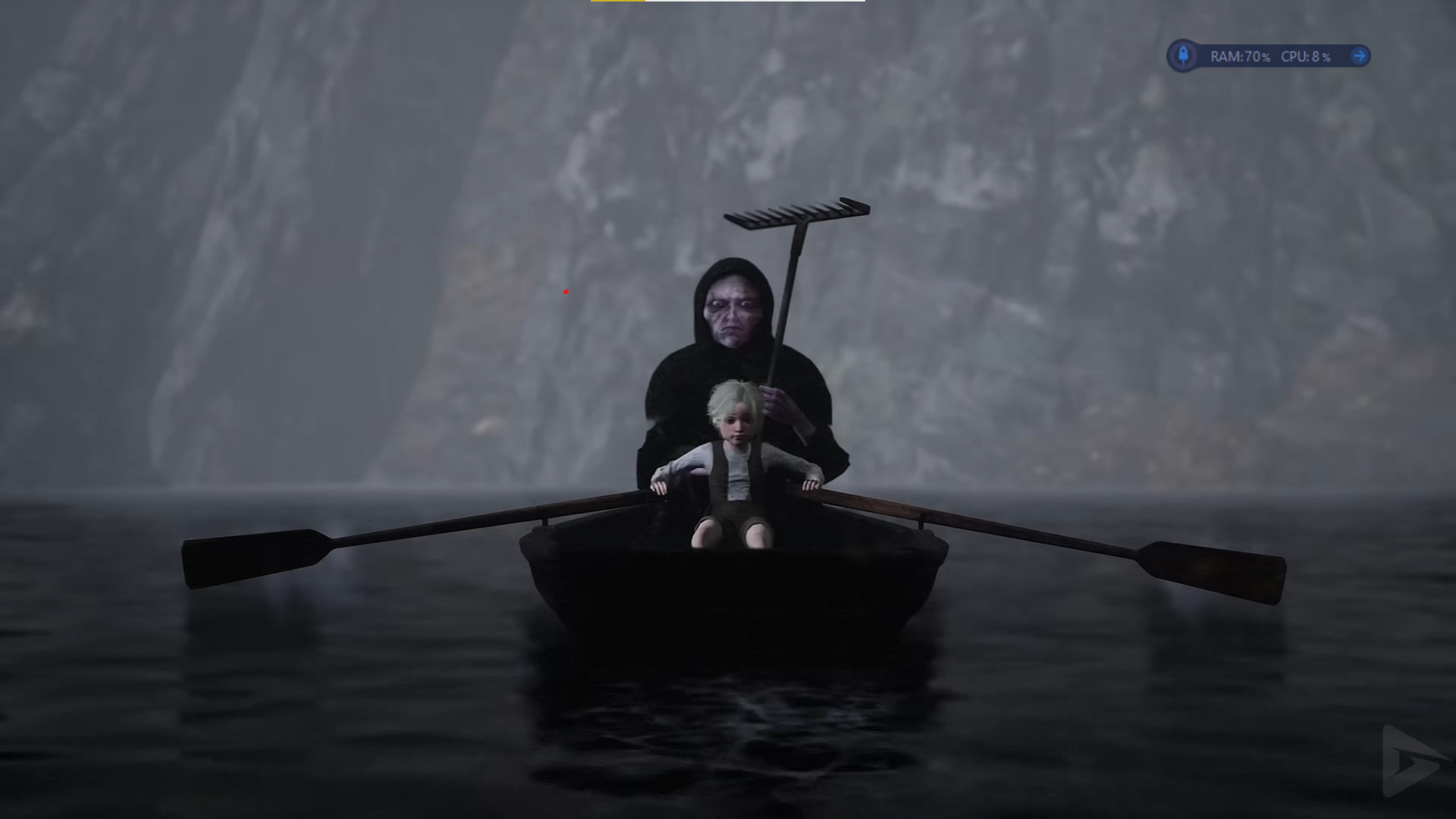
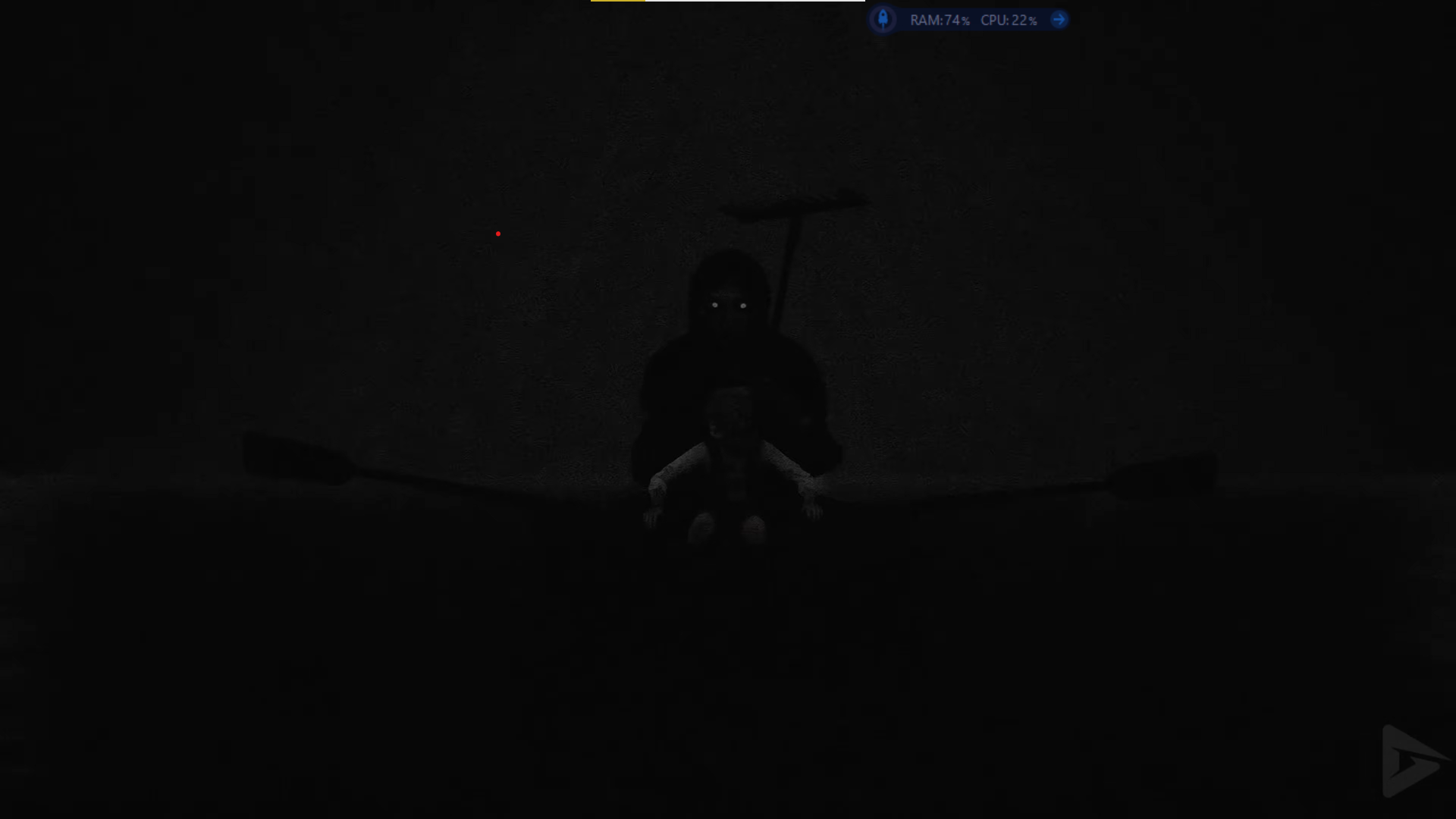
At 10:50 a.m. today, 11 November 2025, I finished playing Bramble: The Mountain King, continuing my line of Northern Folklore horror games. It is one of the most beautifully crafted and emotionally unsettling games I have played, set in a world shaped by the deep forest myths of Scandinavia. If you stumble upon it, you will notice how every shadow, every melody, and every creature feels alive with an old northern soul.
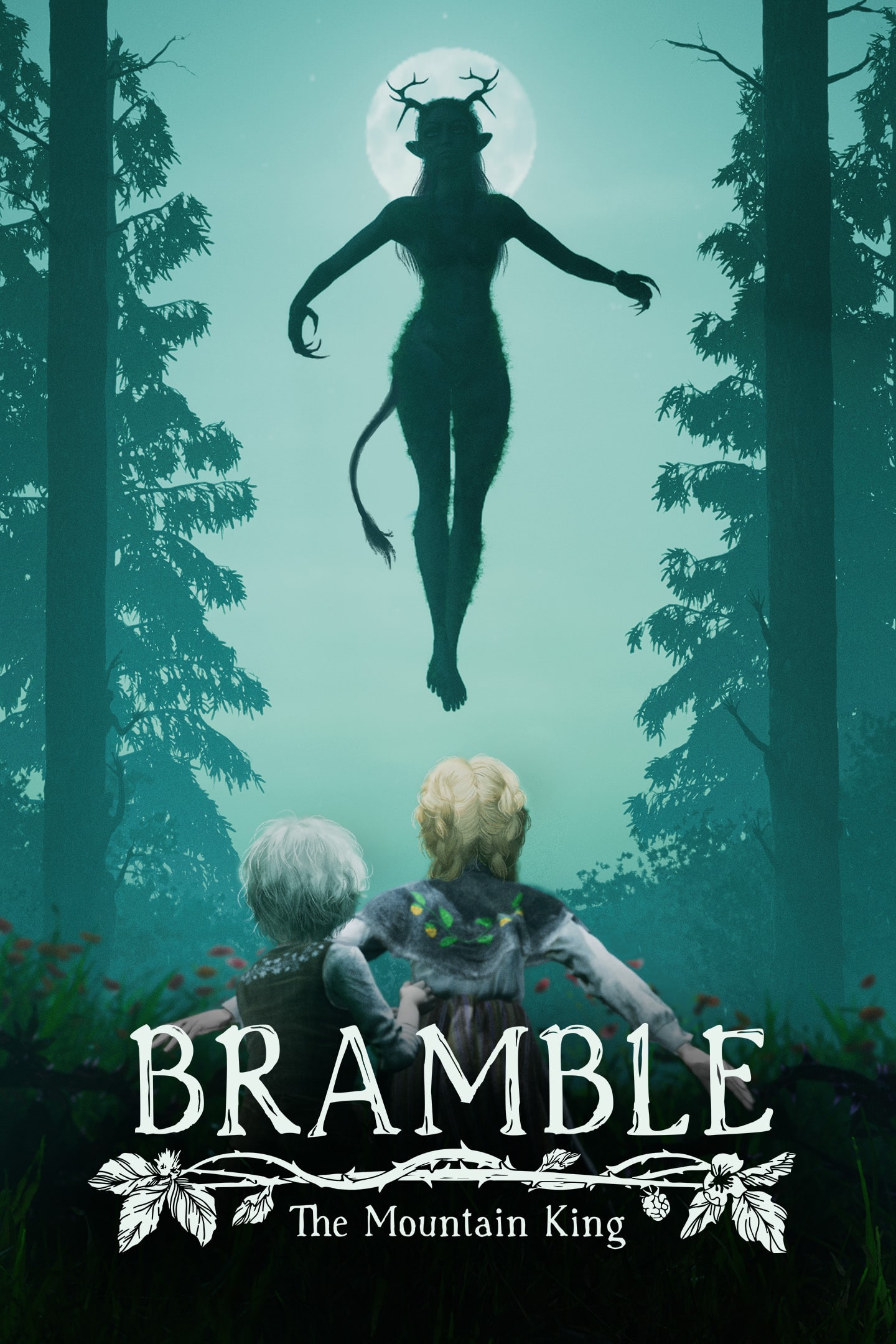
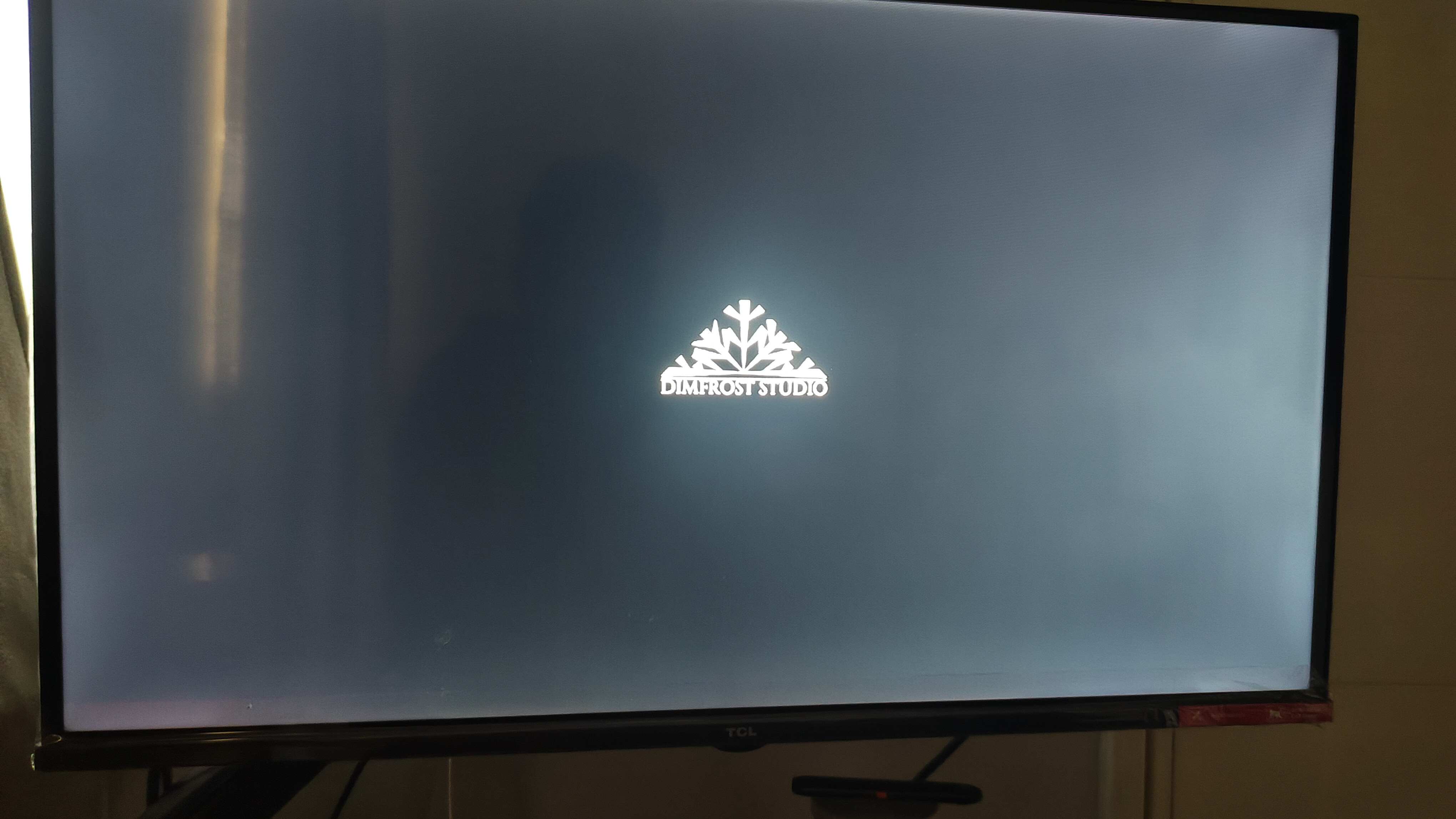
Developed by Dimfrost Studio, an independent team based in Norrköping, Sweden, Bramble: The Mountain King was released in April 2023 under Merge Games and Maximum Entertainment. The studio was founded in 2017 by Fredrik Selldén, Mikael Lindhe, and Ellinor Morén, later joined by Fredrik Präntare and David Wallsten. Their earlier project, A Writer and His Daughter, already hinted at their focus on emotional storytelling, but with Bramble they fully embraced Swedish folklore and the haunting beauty of nature. Built using Unreal Engine, the game combines cinematic horror with folk art influences inspired by Swedish painter John Bauer.
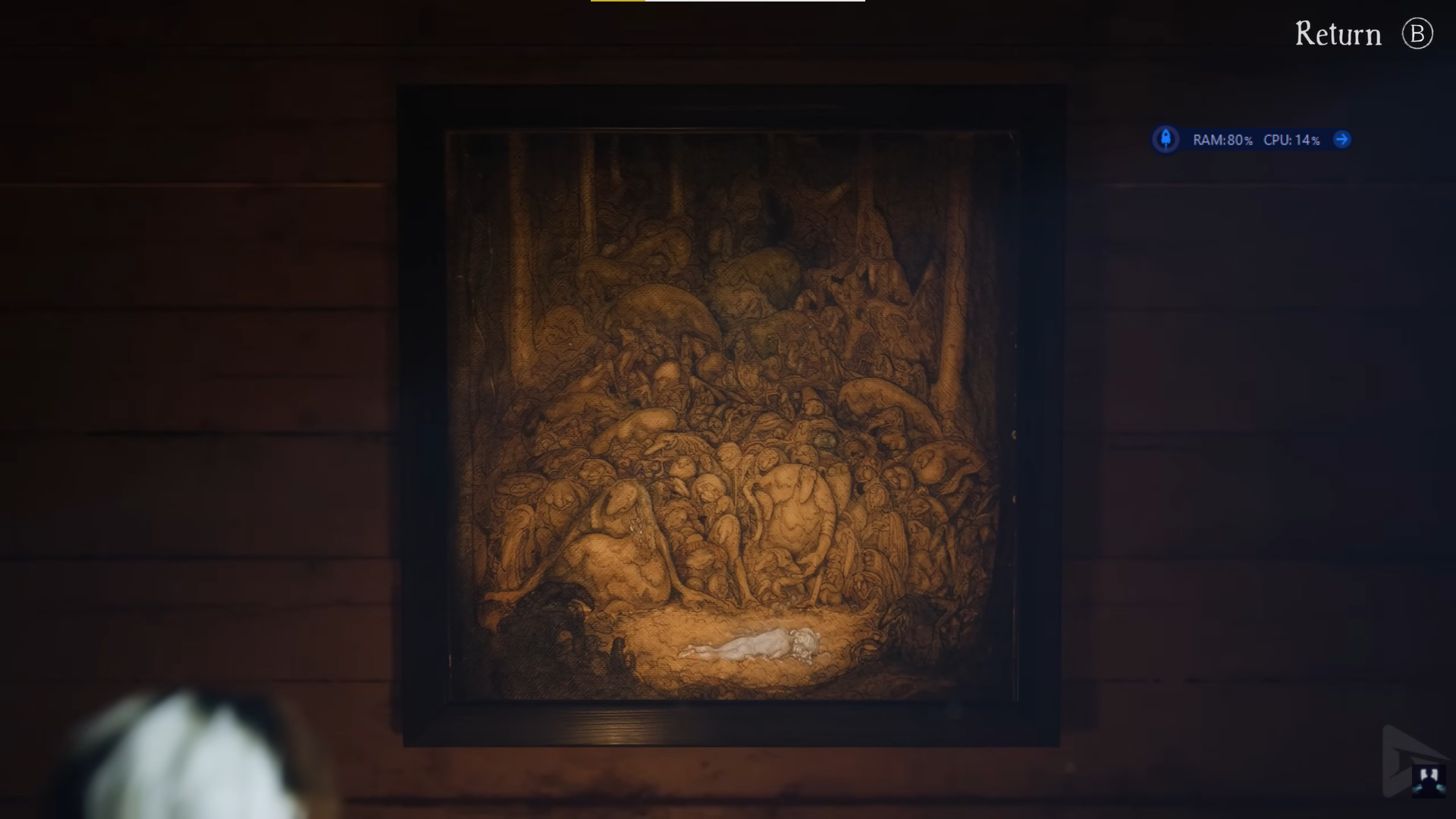
The story follows a young boy named Olle, who wakes to find his sister Lillemor missing. His search takes him into the cursed valley of Bramble, where reality folds into the folklore of old Sweden. The world is filled with enormous creatures, twisted by grief, loneliness, and revenge. This game got super gore all of a sudden, shifting from playful quiet fairy-tale wonder to moments of pure horror without warning. The developers designed these beings not as simple monsters but as living fragments of Nordic myth, bound to nature and the fears that come with it.
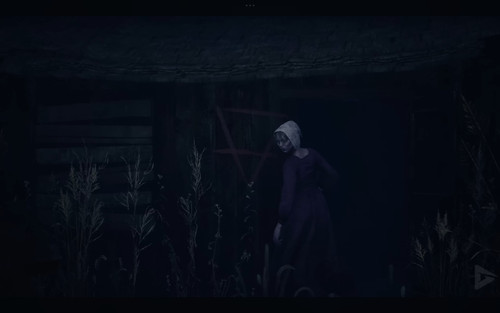

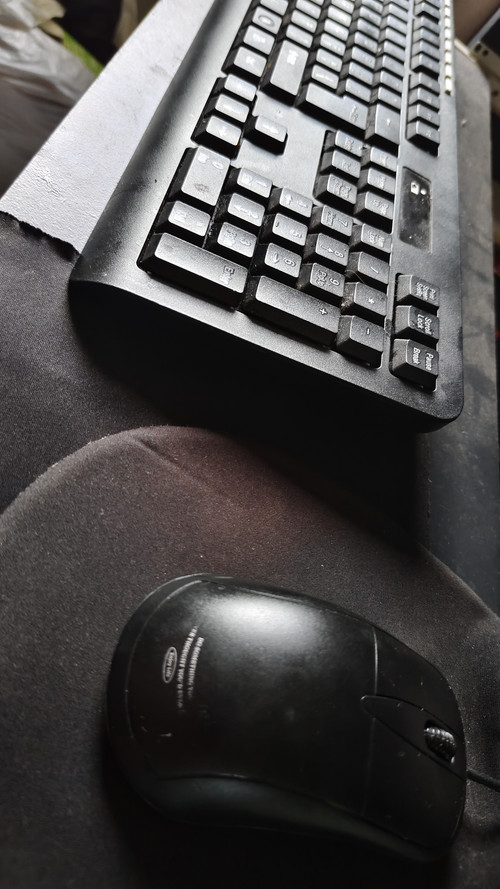
I played the game using a terrible keyboard and mouse setup, probably one of the hardest experiences I have endured in gaming. The controls were complicated. At times I needed to press four different keys for a single movement, and I often forgot that I could jump. The awkward camera angles and constant shift in point of view added to the challenge. If I had a proper joystick or console, the experience would have been smoother, and I intend to revisit this game in the future, hopefully with a proper PC, ultra graphics, and a joystick (or maybe a console version).
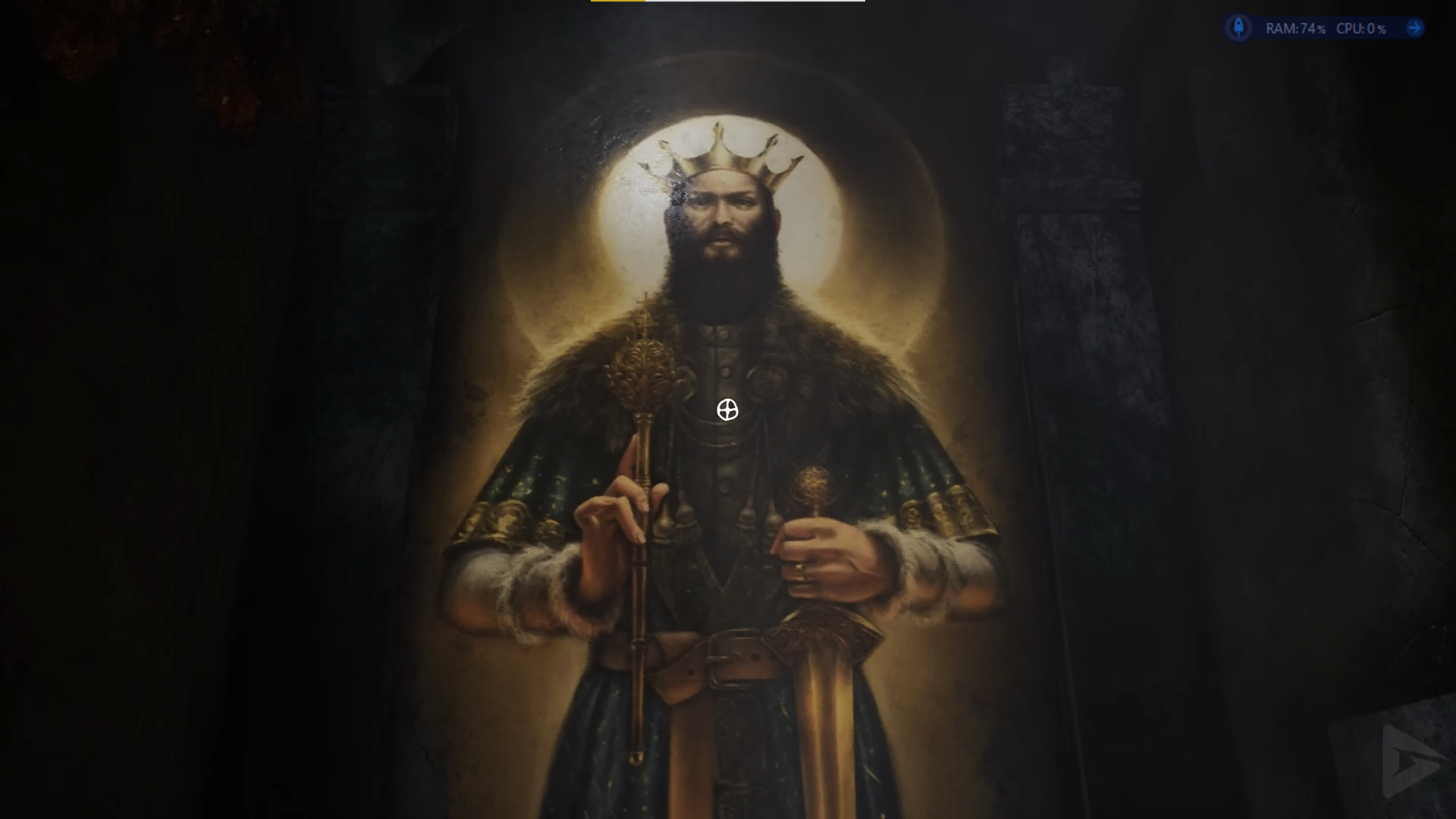
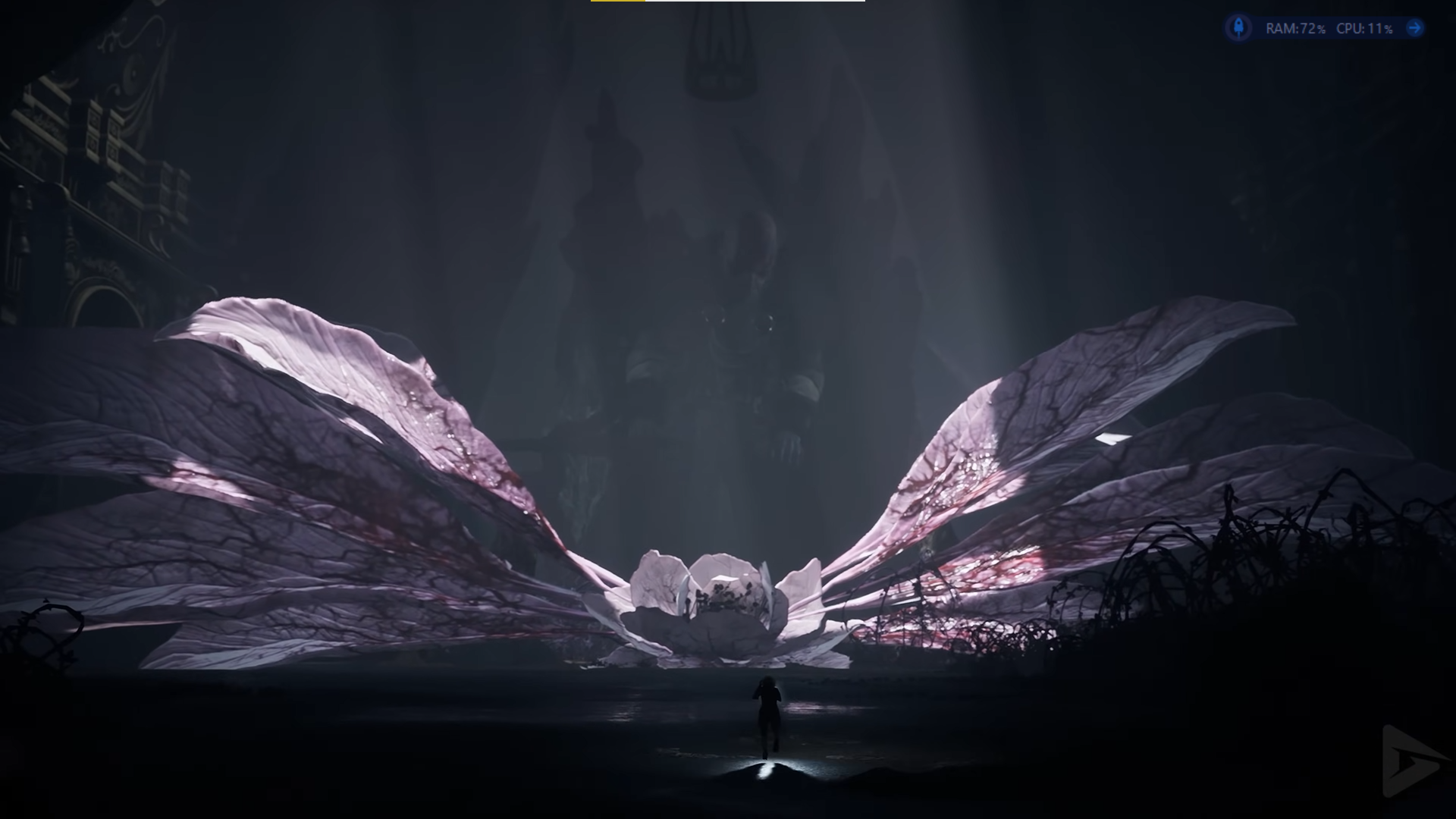

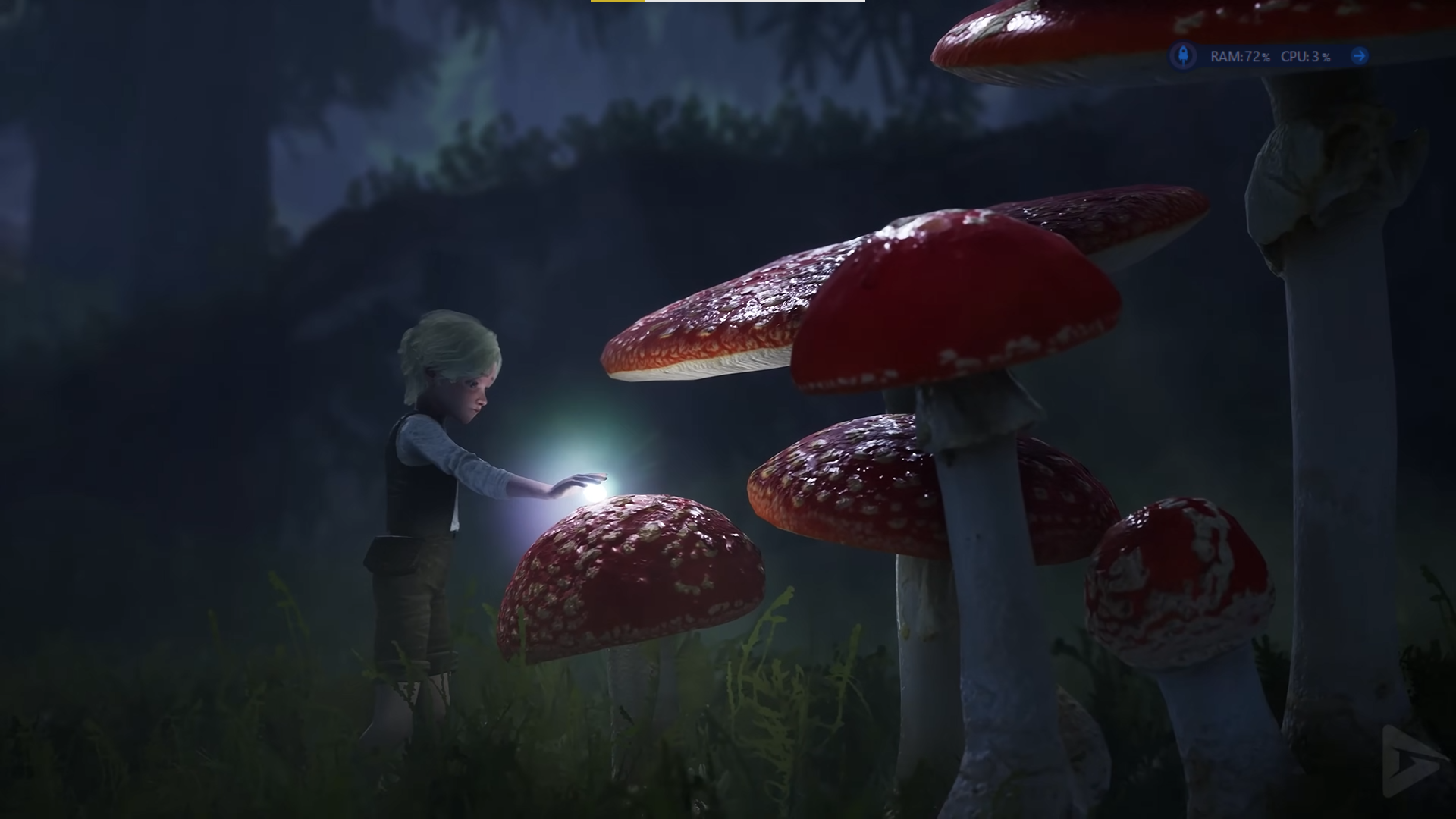
The music deserves special mention. The soundtrack carries the emotional weight of every scene, rising and fading like breath. Blomstertid (Reprise) featuring BJOERN is my favourite. It plays at exactly the right moment, where the game strikes hardest. The sound seems to reach inside you, cold and warm at once, like northern wind on bare skin.
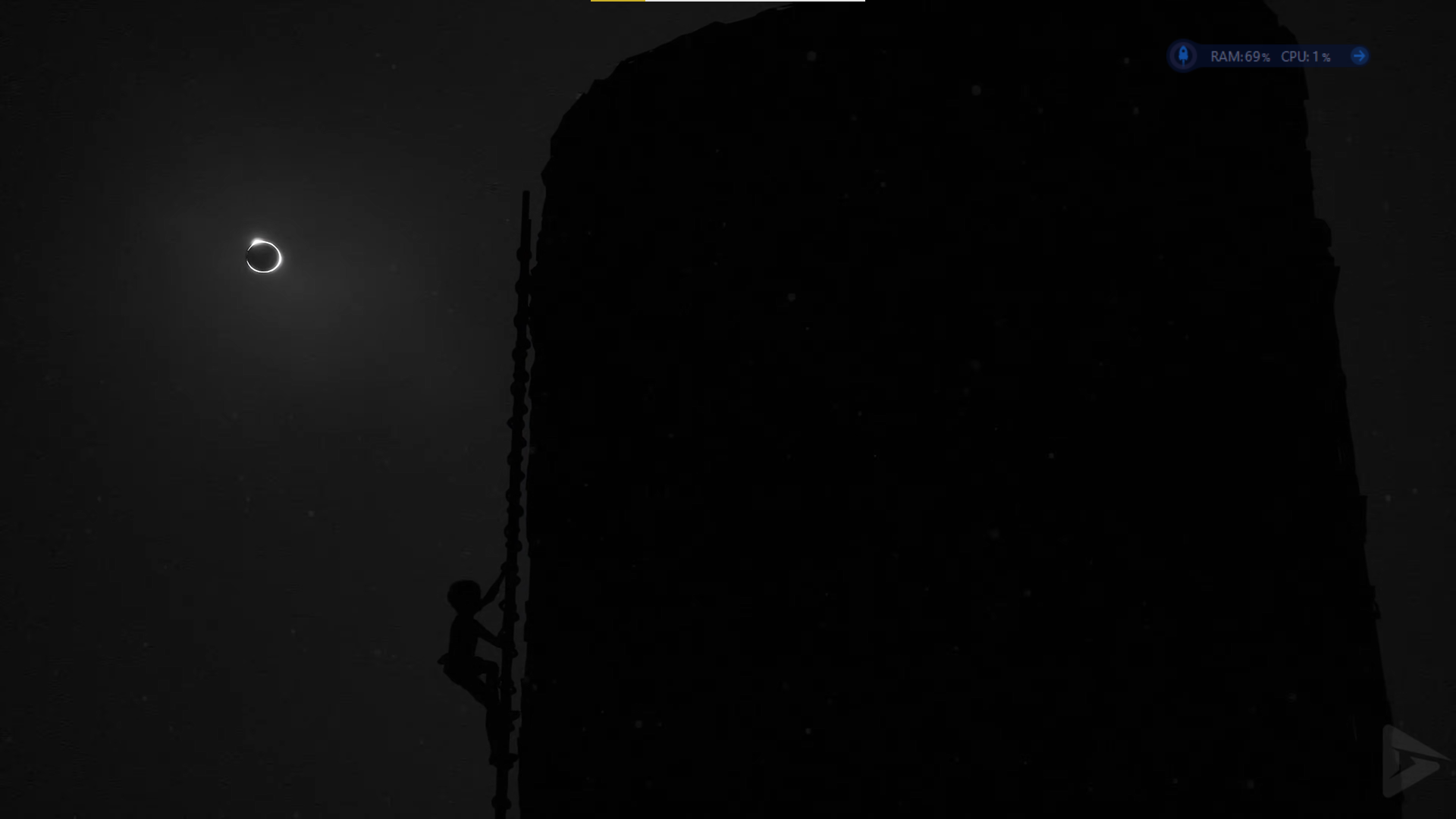
Despite my frustration with the controls, I was completely absorbed in Bramble’s world. The visuals, even on low quality, created a sense of ancient terror and quiet beauty. Some moments were deeply disturbing, but they taught the player to keep moving forward no matter what. I pity killing Skogsrå at first, but when she taunted me using Lillemor’s image during the boss fight, pity vanished. The game knows how to test you emotionally as much as mechanically.
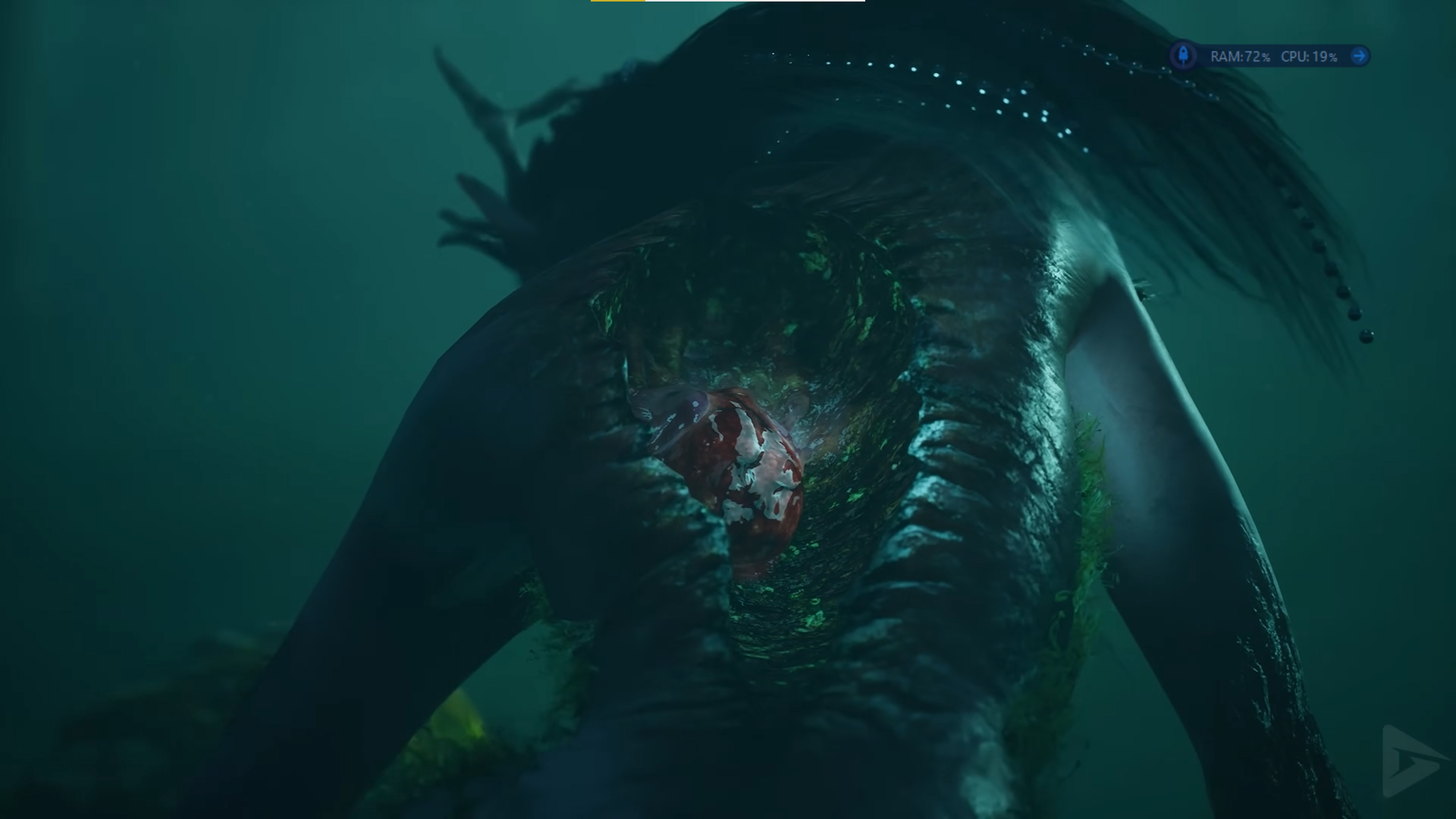
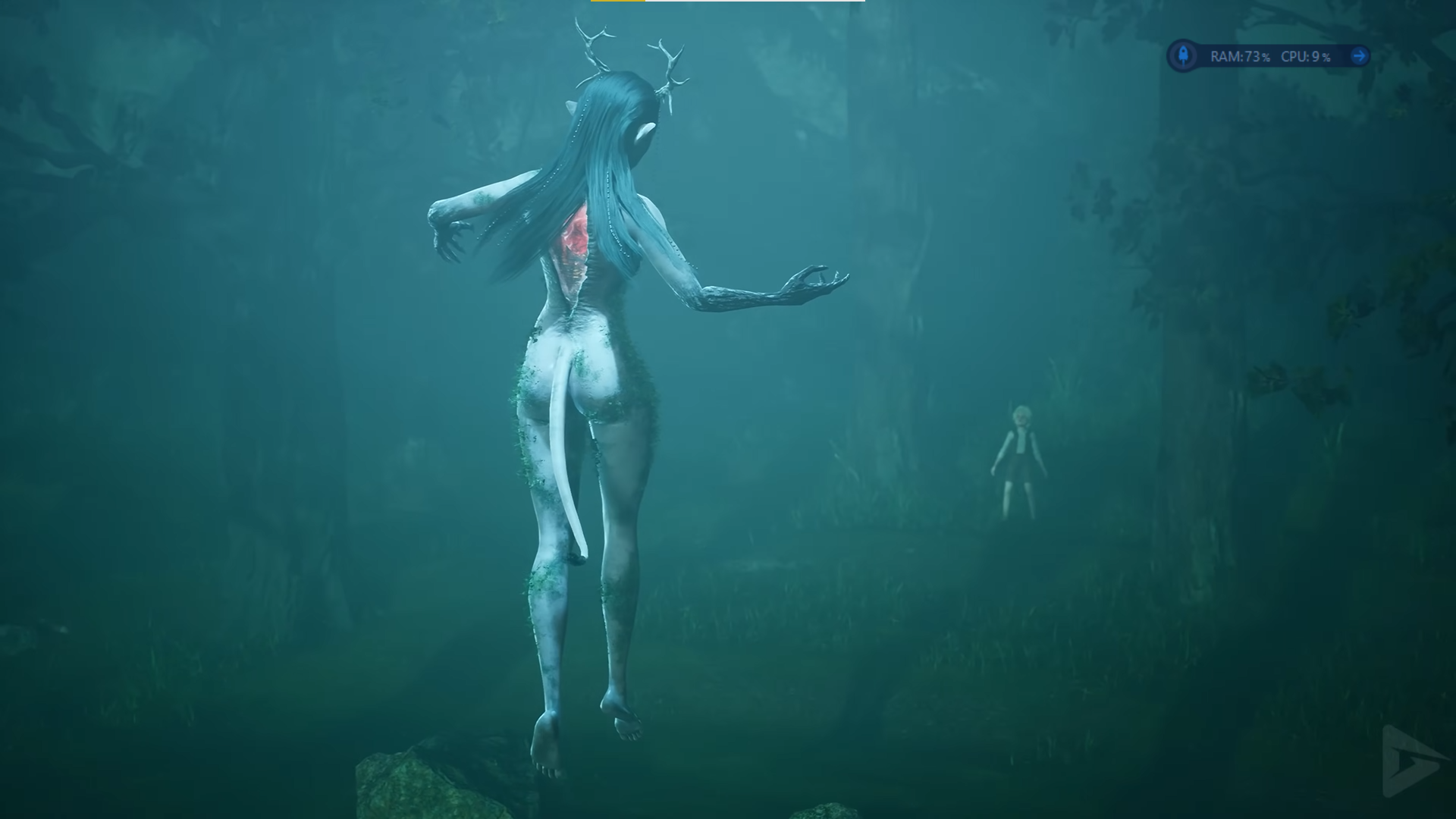
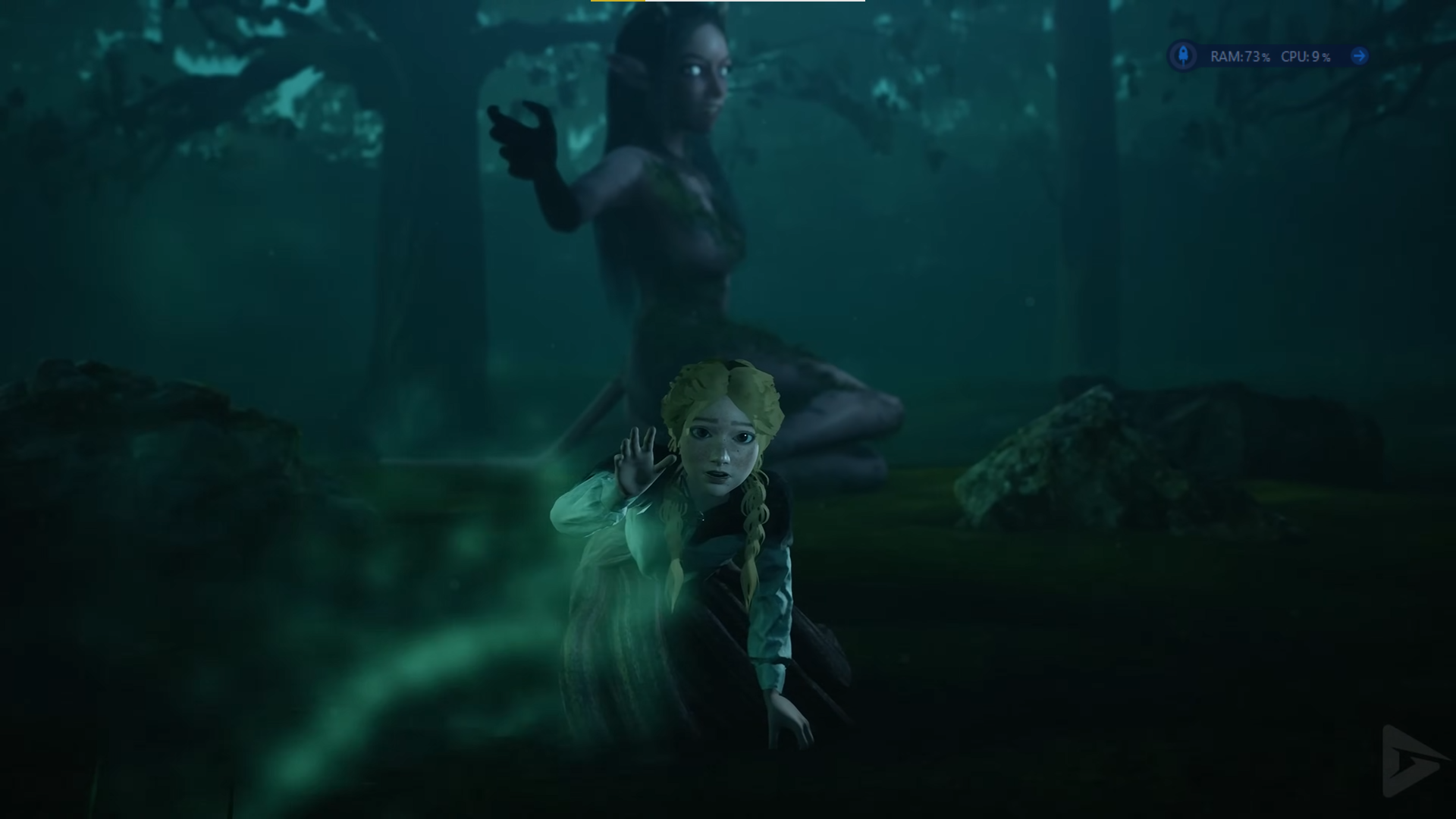
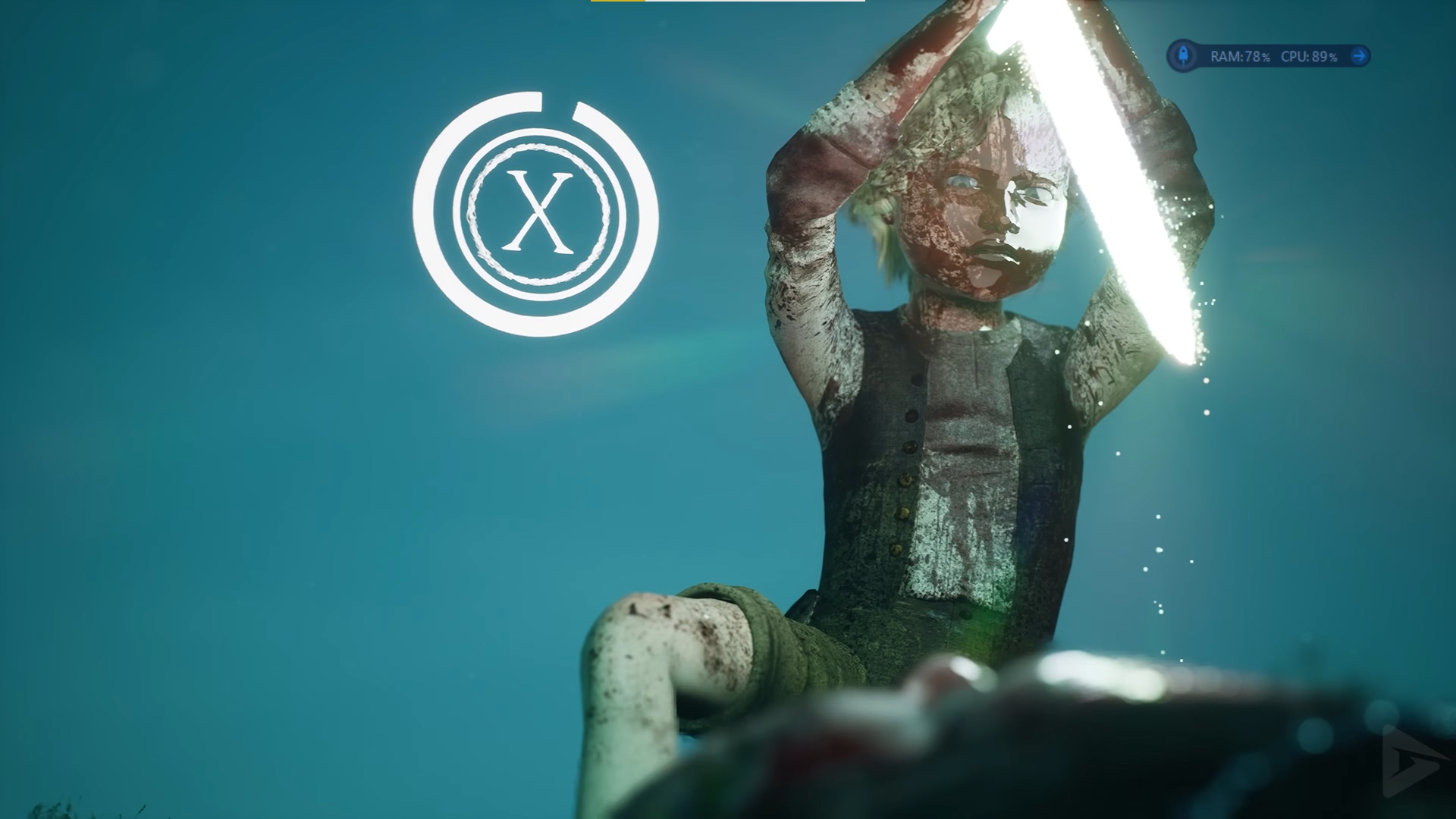

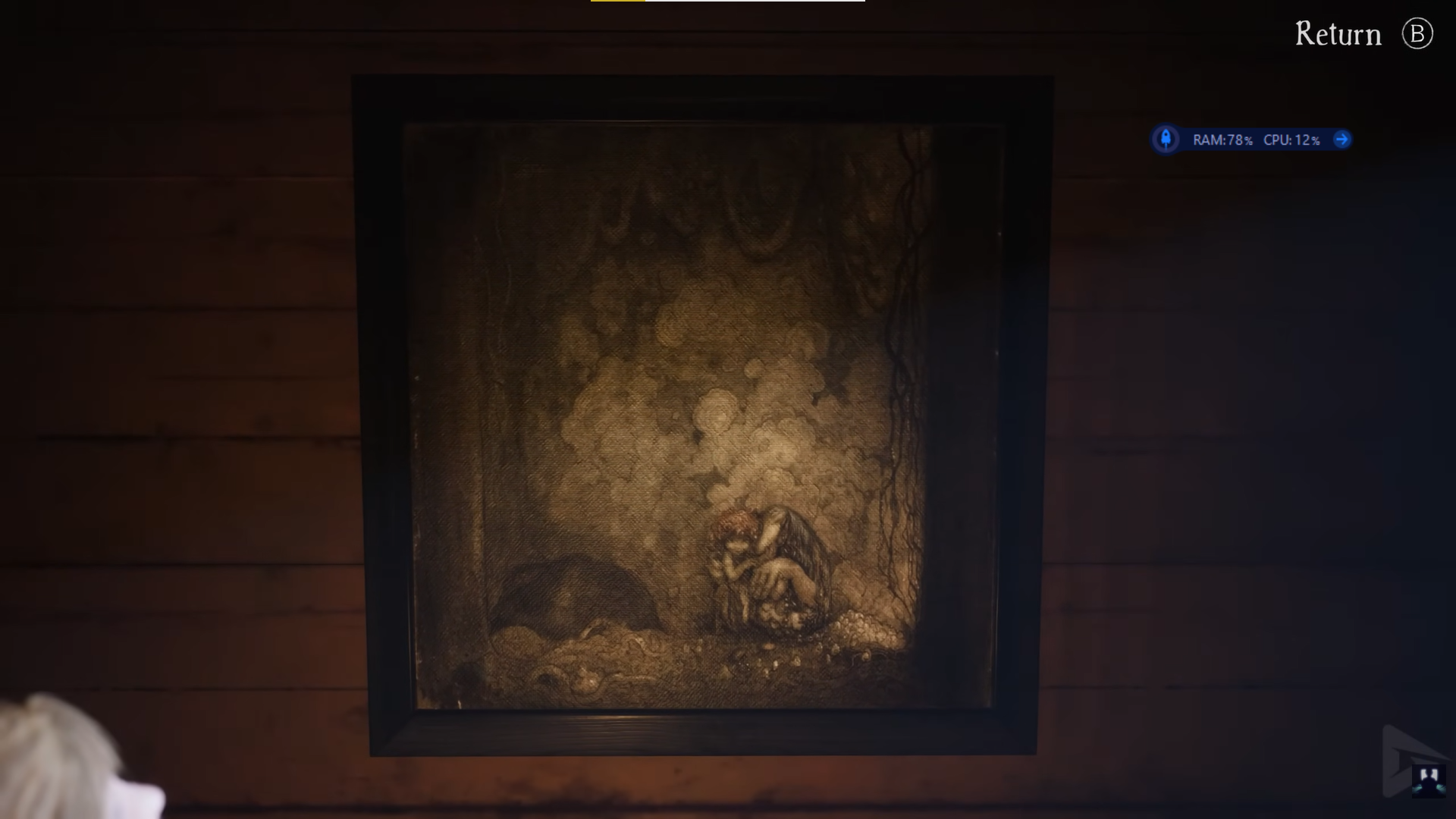
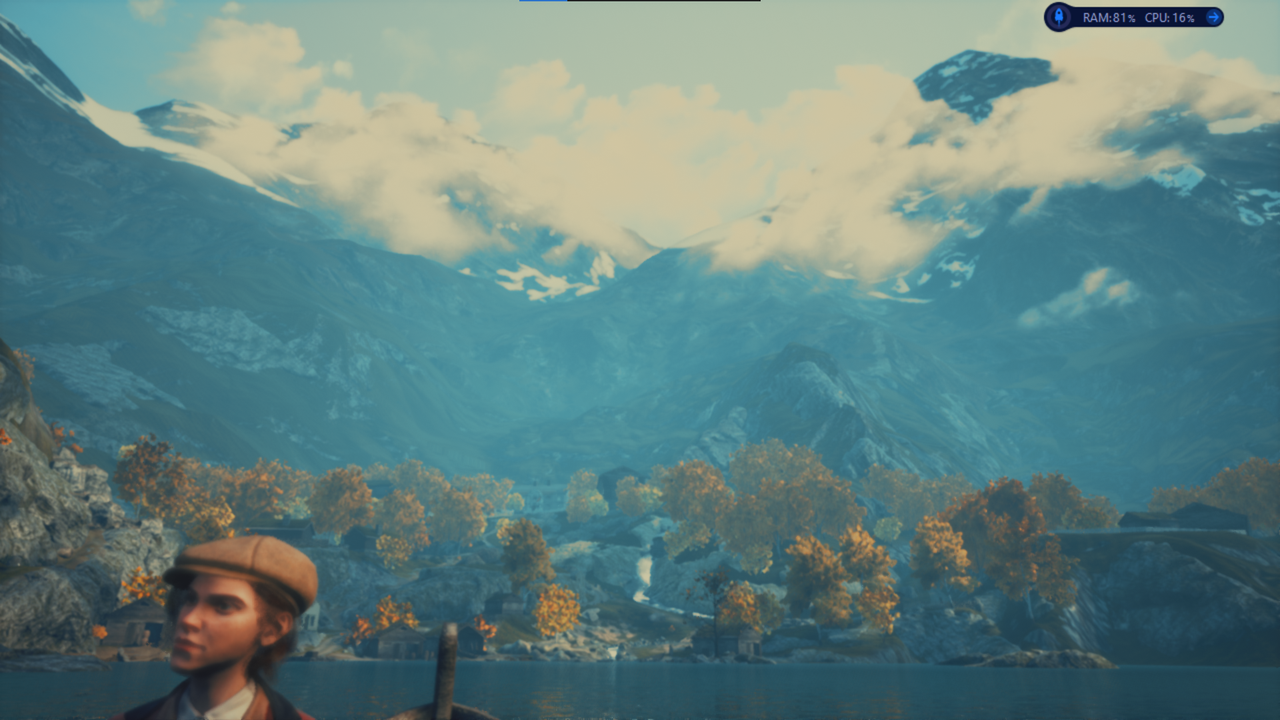
At around 3.30 pm today, 8 November 2025, I finished playing Draugen, a single-player first-person mystery game developed by Red Thread Games. It is set in 1920s Norway and describes itself as a “Fjord Noir”, a psychological narrative that blends mystery with atmosphere. The game won the Norwegian Game of the Year award in 2019. You play as Edward Charles Harden, an American traveller searching for his missing sister in a small, forgotten coastal village, accompanied by his ward, Lissie. The game is meant to be experienced rather than mastered. It unfolds like a short novel: you explore, observe, and let the story move at its own pace.
I started the game last night and completed it within a day. It does not take long because the path is mostly fixed. You follow the order of the narrative the way the developers intended, walking through a series of linear discoveries. The control is minimal... mostly walking, interacting with objects, and following Lissie as she pushes the story forward. There are no puzzles that demand time, and no freedom to explore beyond what is required. It is a game of direction rather than discovery.
I got stuck for a while during the mine chapter because my computer could not handle the performance requirements. The loading was slow, and the visuals glitched often that I had to restart the game a few times. Still, I forced through and managed to complete it. By that point, I had already sensed how the story was going to end, yet I wanted to see how the final scenes would play out.
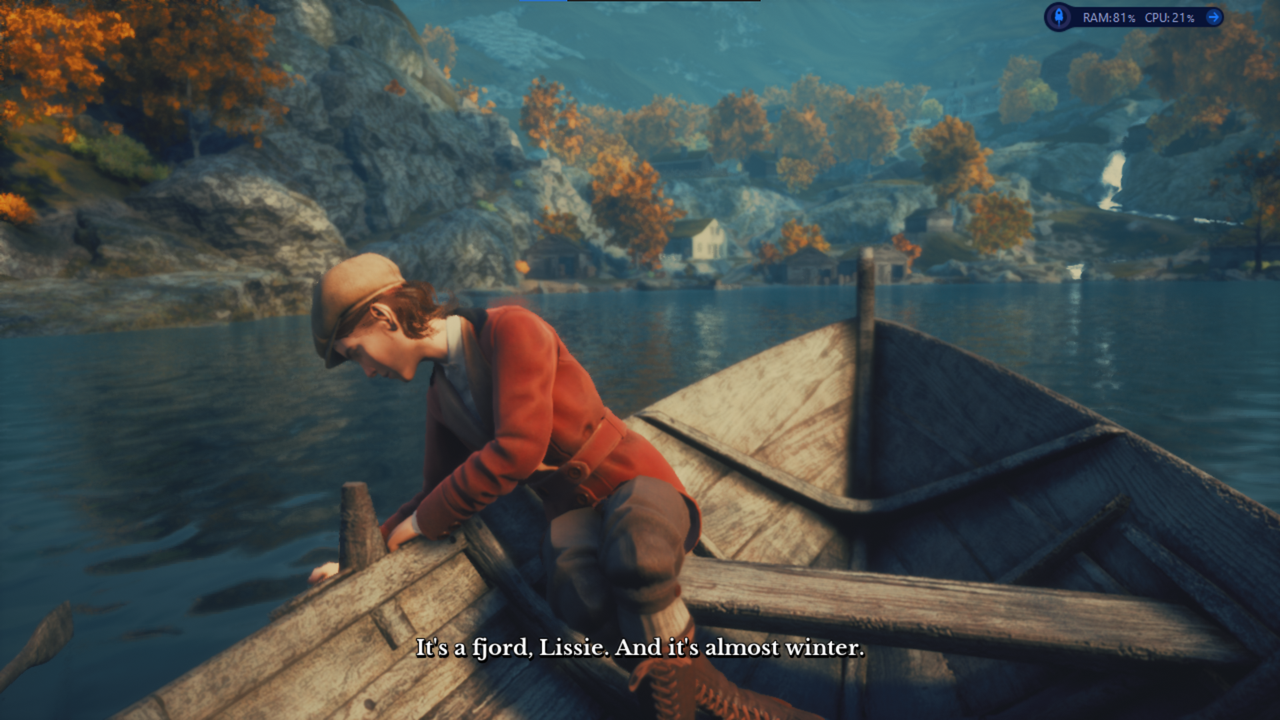
Lissie became more unbearable near the climax. She is childish, restless, and refuses to understand the weight of what is happening. Her voice fills every silence. During conversations, I often avoided looking at her face, letting her talk until the dialogue was over. She is both the most frustrating and most necessary element in the game, the one who keeps Edward moving even when the player wants to stop. She acts as a guide, and ironically, without her constant chatter, you would not reach the ending.
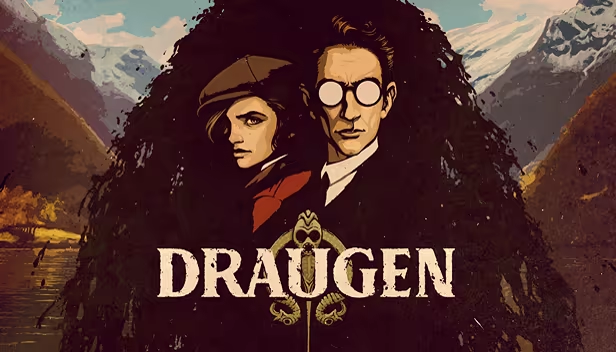
The ending itself carries several plot twists, and the final revelation about Edward changes how the story should be read. The game is quiet, almost deceptively simple, yet its psychological core becomes clearer only near the end. If you pay attention, you will notice how even the main menu background changes gradually from colour to black and white as the story progresses, mirroring Edward’s state of mind.


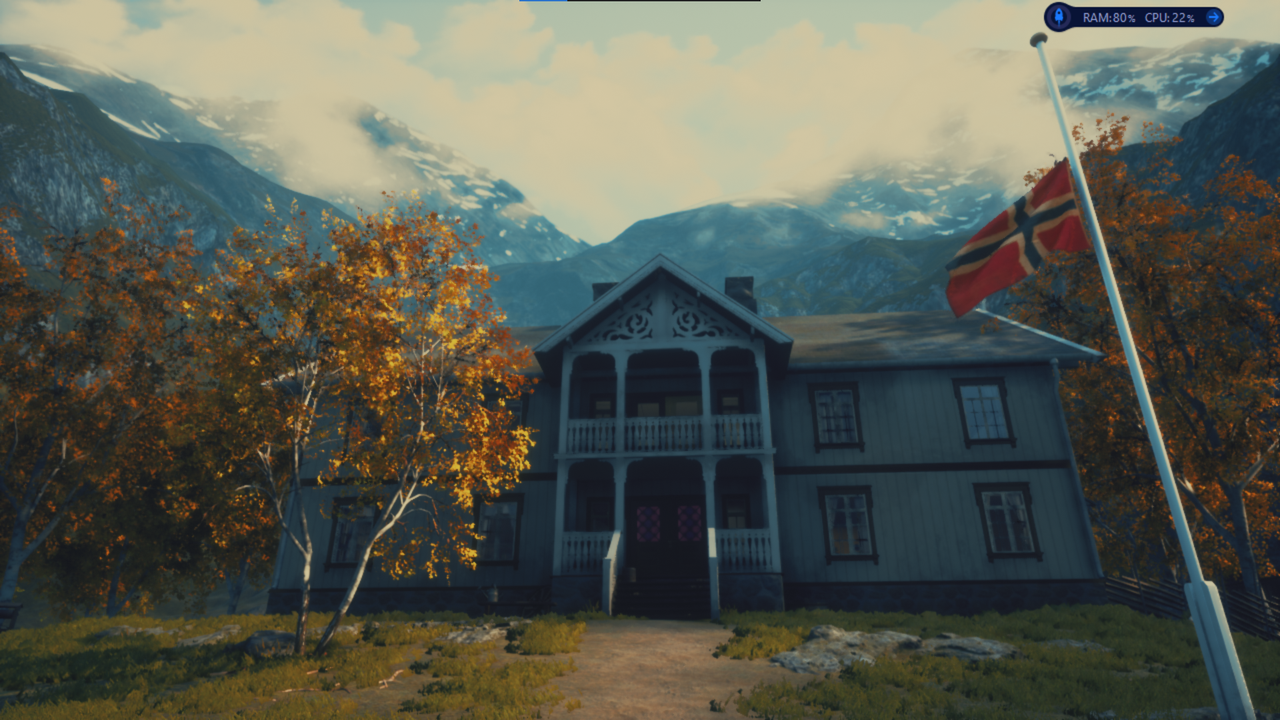
The Viking references in the narrative feel shallow. They appear in fragments, but even if they were removed, the story would remain the same. They function more as cultural decoration than as substance. I expected more integration of folklore after my recent experiences with northern-themed games, but Draugen stands apart in its own restrained modern storytelling.

Labels: Game, motivation
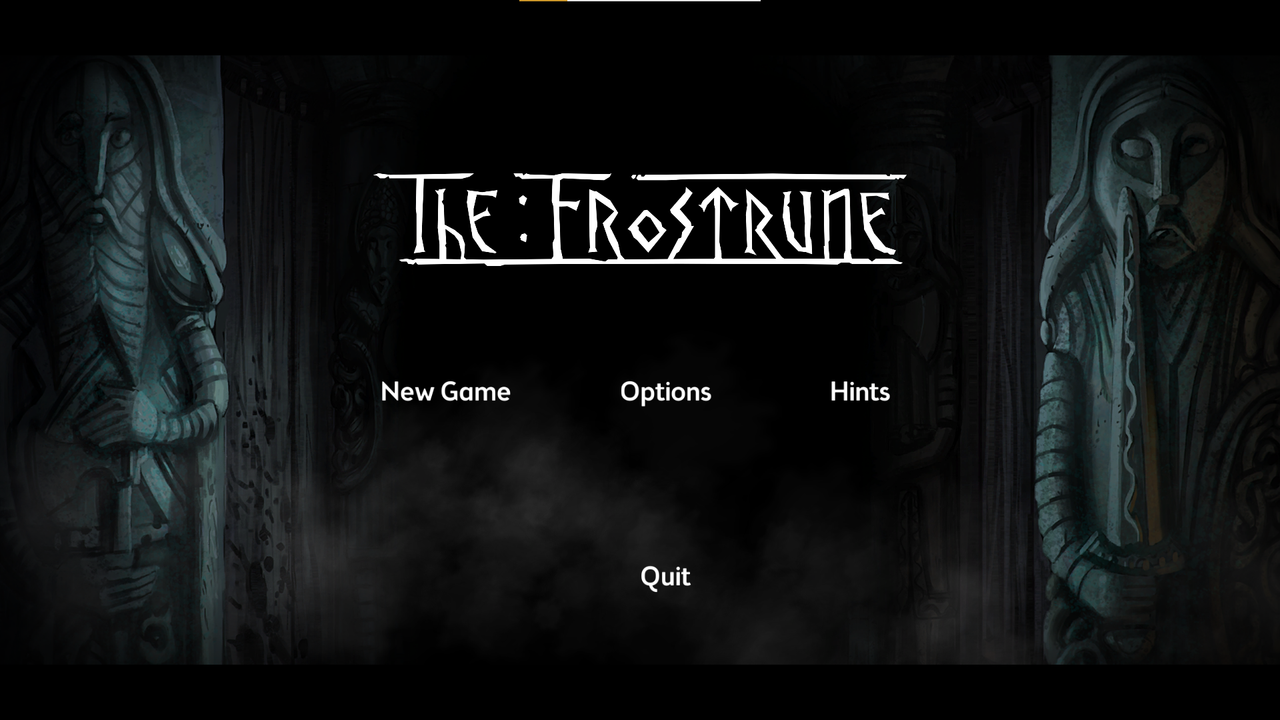
At 2.15 pm today, 03 November 2025, I completed a game called The Frostrune. The game was developed by Grimnir Media and published by Snow Cannon Games, first released in 2017. It opens quietly with a shipwreck and the slow reveal of an abandoned Norse settlement surrounded by dark forest and coastline. The visuals are hand-painted and the sound design feels restrained, almost careful. The music has a Norse weight to it, and the pacing is deliberate. The story moves in small pieces, each scene linking to another through space rather than dialogue.

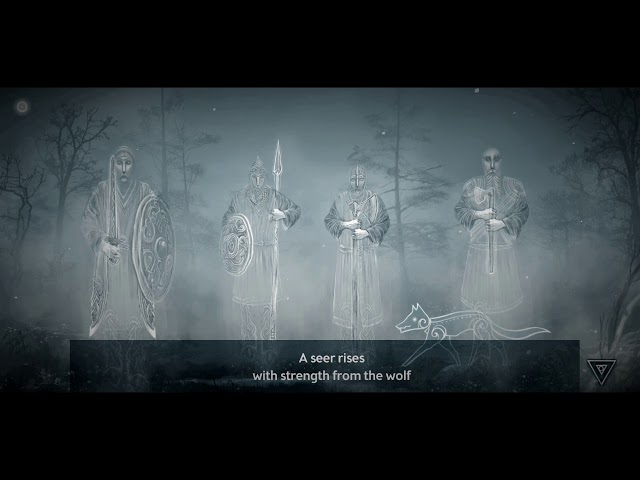
If you stumble upon this puzzle while playing, you will see the little girl standing with the Viking spirits. That is us, the player. We are written into the prophecy, destined to complete it. The introduction draws you in because it does not rush. You begin by walking the shore, searching through forgotten cabins and rune stones, learning through fragments what kind of place you have entered. The world feels old and silent, but not dead. The game leans on its northern folklore deeply, letting symbols, tools, and ruins tell parts of the story that the characters do not. You are left to interpret meaning the way an archaeologist might. That quietness becomes its rhythm.
How The Game Is Played
The Frostrune is a point-and-click adventure built around Norse myth and ancient ritual. You explore the island through first-person perspective, gathering objects, decoding runes, unlocking mechanisms, and piecing together fragments of its story. There are no battles or weapons, only observation and connection. Each puzzle requires careful memory and logic. You match symbols, align instruments, open chests, and understand how one item relates to another in a network of clues.
I finished the game in just a few hours because the number of quests is fewer than in other games I have played. The structure is simple and the focus stays on observation. It rewards players who remember small details. If you forget what you have seen, you will probably retrace your steps more than once. It is a game that would work perfectly on a tablet. The control style fits a relaxed posture where the mind, not the reflex, does the work.
The Puzzle That Stayed With Me
One of my favourite parts is the section where you must arrange musical notes, and when done correctly, the Vikings sing the sequence in harmony. It comes with this piece of verse that stays in memory:
“Four warriors guard the great Wolf’s chest
Bound by duty beyond death’s call
Listen to their songs of great deeds done
And bear witness to their final notesFor every duty at last must end
Every song at last is sung
In the eternal peace of Hel’s embrace:Pink sings the swordsman, the highest note
Shorter axe sings deepest note in orange
His brother with spear joins his blue note
And the long axe sings in green hues.”
It is one of those moments where the game’s folklore and music merge into something complete. When the harmony resolves, you feel the story closing in on itself.
Reflections and Ending
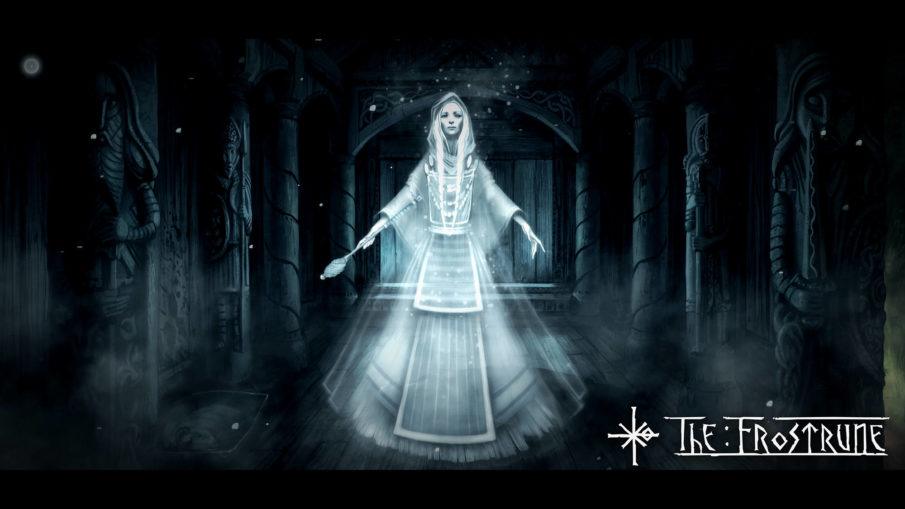
What I love most about The Frostrune is how it treats the folklore with respect. The runes, the witch, the Viking remnants, all exist as part of the landscape. Nothing feels placed just to impress. It is a quiet balance between human story and mythic presence. The witch figure especially ties the past and present together, guiding you through her memory.
Reaching the end was neither satisfying nor disappointing. It felt like relief. The circle closed and the island was at rest. I was ready to leave, not because I was bored, but because the story had reached its silence. I will look for similar games later, something that carries the same northern stillness, where myth breathes through the trees and every sound feels deliberate.
If anyone has recommendations for horror or mystery games rooted in northern Scandinavian folk tradition with traditional elements like runes, creatures, and forest rituals, I would like to hear them.
Labels: Game, motivation, Songs and Lyrics, Windows and Softwares
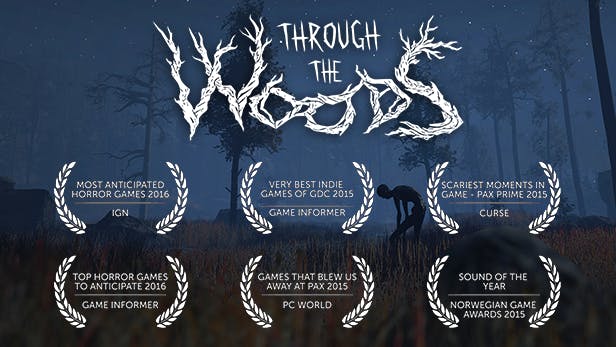
At 12.28 a.m. on 2 November 2025 I finished Through the Woods, a third person Norwegian horror adventure developed by the indie studio Antagonist and published by 1C Publishing EU. The game was released in 2016 and maintains an intentionally restrained pace and atmosphere. Its environments draw from the Norwegian coastline and dense forest interiors, the lighting is deliberately minimal, and the story unfolds in short, deliberate beats. It is played as a walk through memory and clue, not as an exercise in combat or spectacle, and the design insists you pay attention to what is left unsaid as much as to what is shown.
This post includes spoilers. If you have not played the game and intend to, stop here.
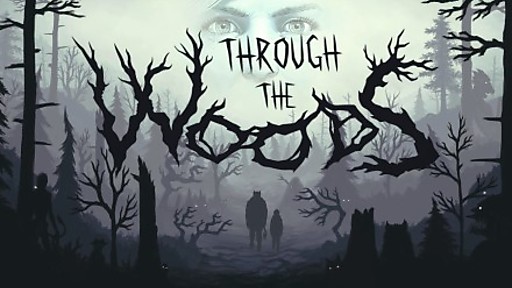
Through the Woods places you in the role of Karen, a mother searching for her missing son, Espen. The viewpoint is third person, the camera close enough to feel like an observer and distant enough to keep some detail offscreen. Progression is driven by exploration, by reading notes and piecing together small narrative fragments, and by moving through spaces that shift between the literal and the folkloric. You do not receive weapons or direct means to fight. The tension is generated by movement, by timing, and by the limitations the game imposes on the player. Survival is procedural rather than mechanical: you avoid, you hide, you use light sparingly, and you decide when to press forward.
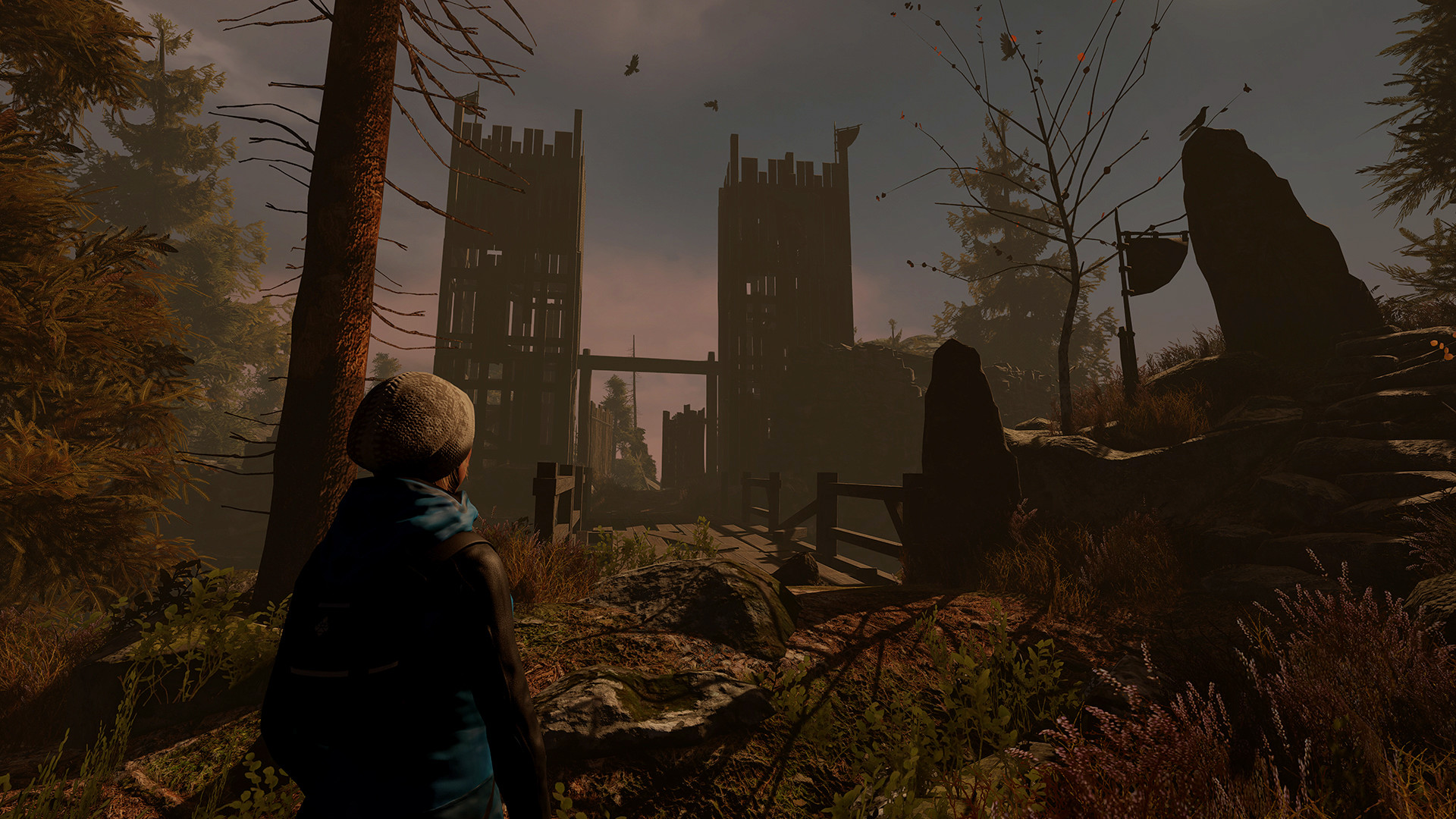
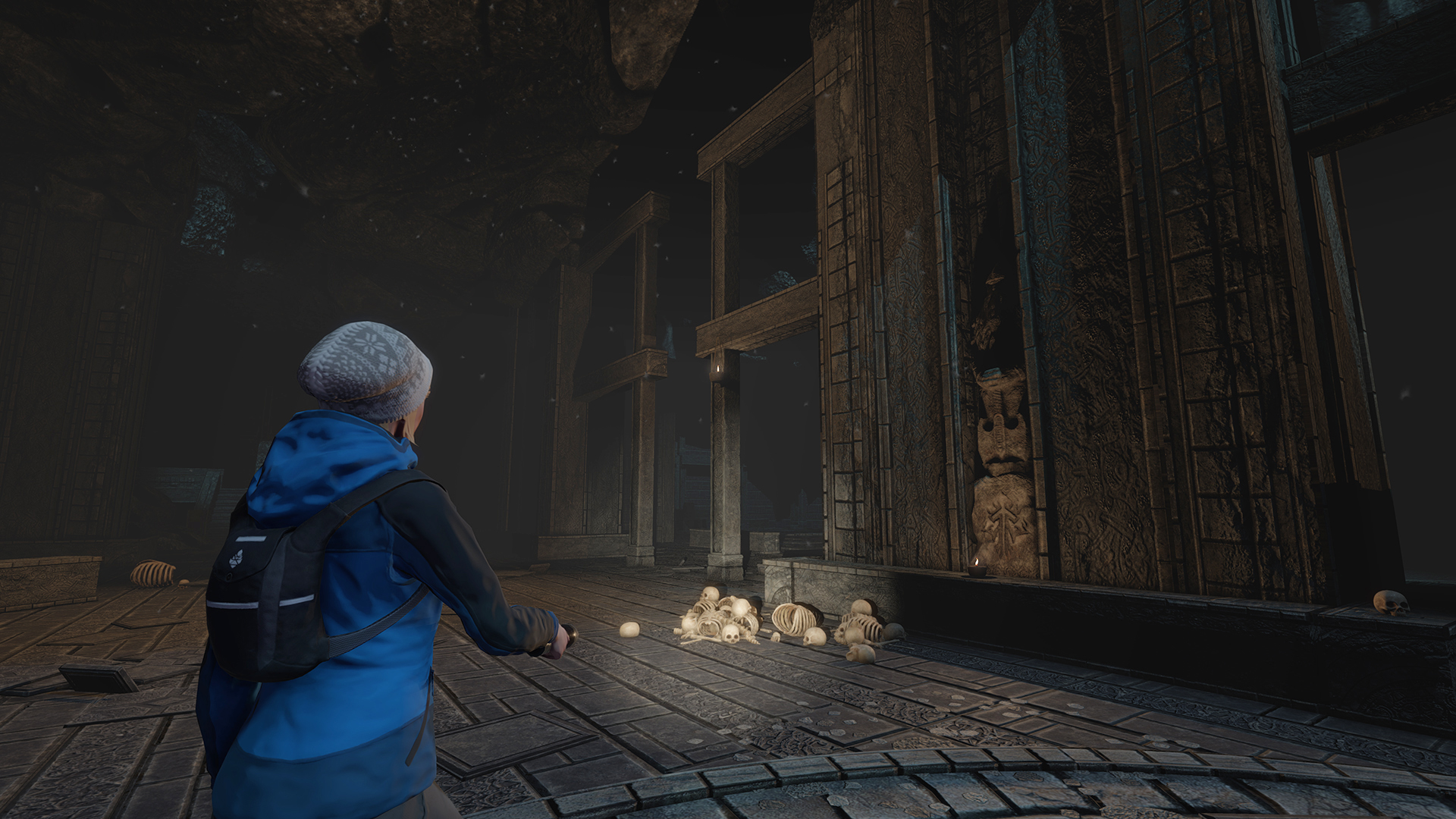

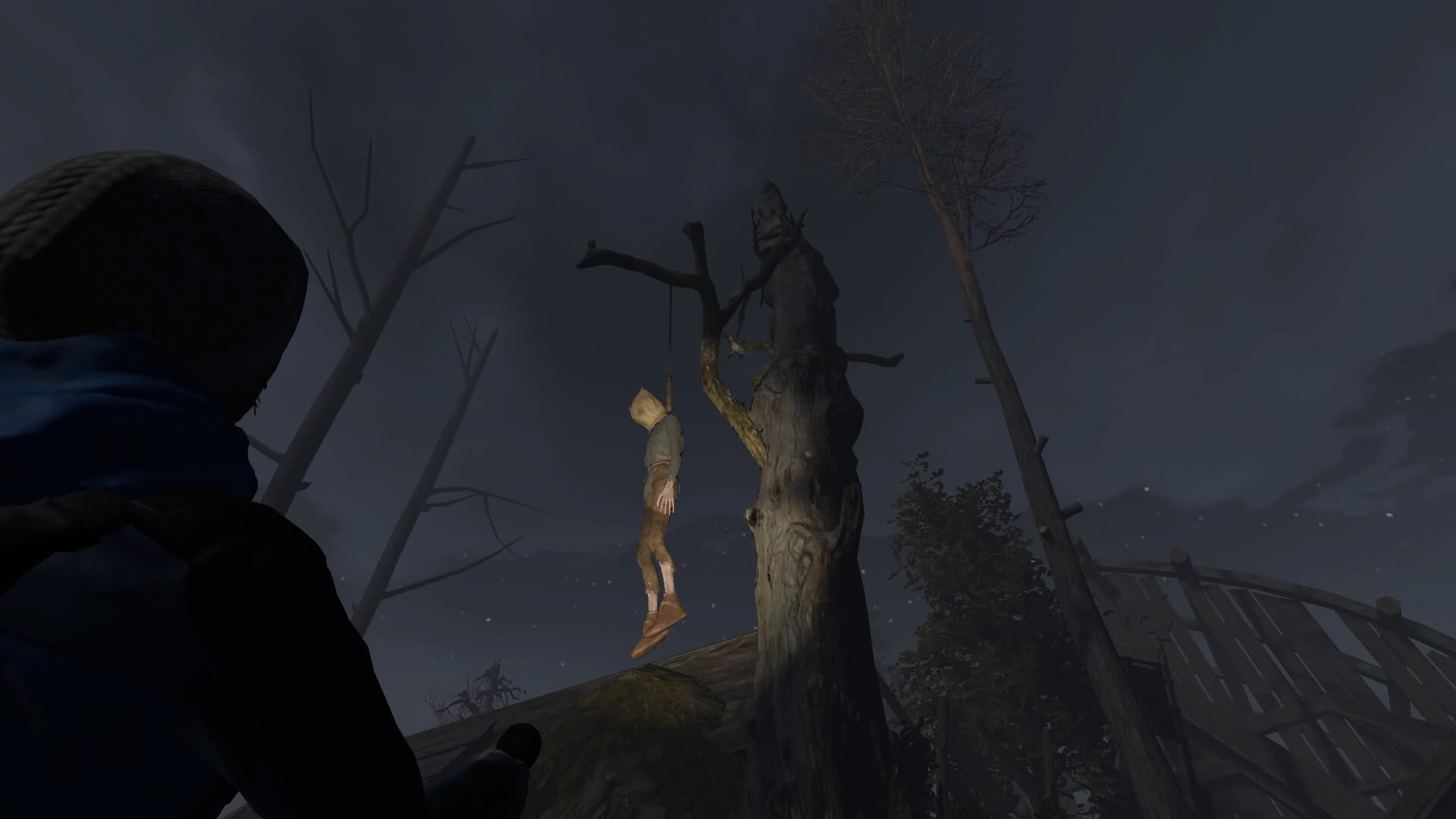

Practical note: I will not invent how the scenes affected me emotionally beyond what I have said. I attempted to revive Espen and I predicted the ending from the clue about Erik. Those are actions and observations. I finished the game while needing distraction from other tasks and responsibilities. The soundtrack in the credits is one concrete detail I plan to track down. The character is explicitly revealed at the end and her choices become clear in the final scenes.
Finally, a personal aside in plain terms. My cat Bulou died today. She had a long standing tumour in her left eye. I buried her earlier. I hope she is at peace and no longer in pain.

Labels: Game, motivation, spooky, Windows and Softwares
At 2.22 a.m. today, 26 October 2025, I finished playing an old horror game called Unforgiving: A Northern Hymn. Developed by Angry Demon Studio in Sweden and released in 2017, it’s a slow, strange, and heavy game about fear and folklore. The language switches between Swedish and English, which somehow makes everything more real. It feels foreign but believable, like being lost somewhere you were warned not to enter.


I startled myself a few times. While playing in some scenes, I knew I shouldn’t look back, but I still did. Sometimes it killed me. Sometimes it didn’t. Either way, it worked.
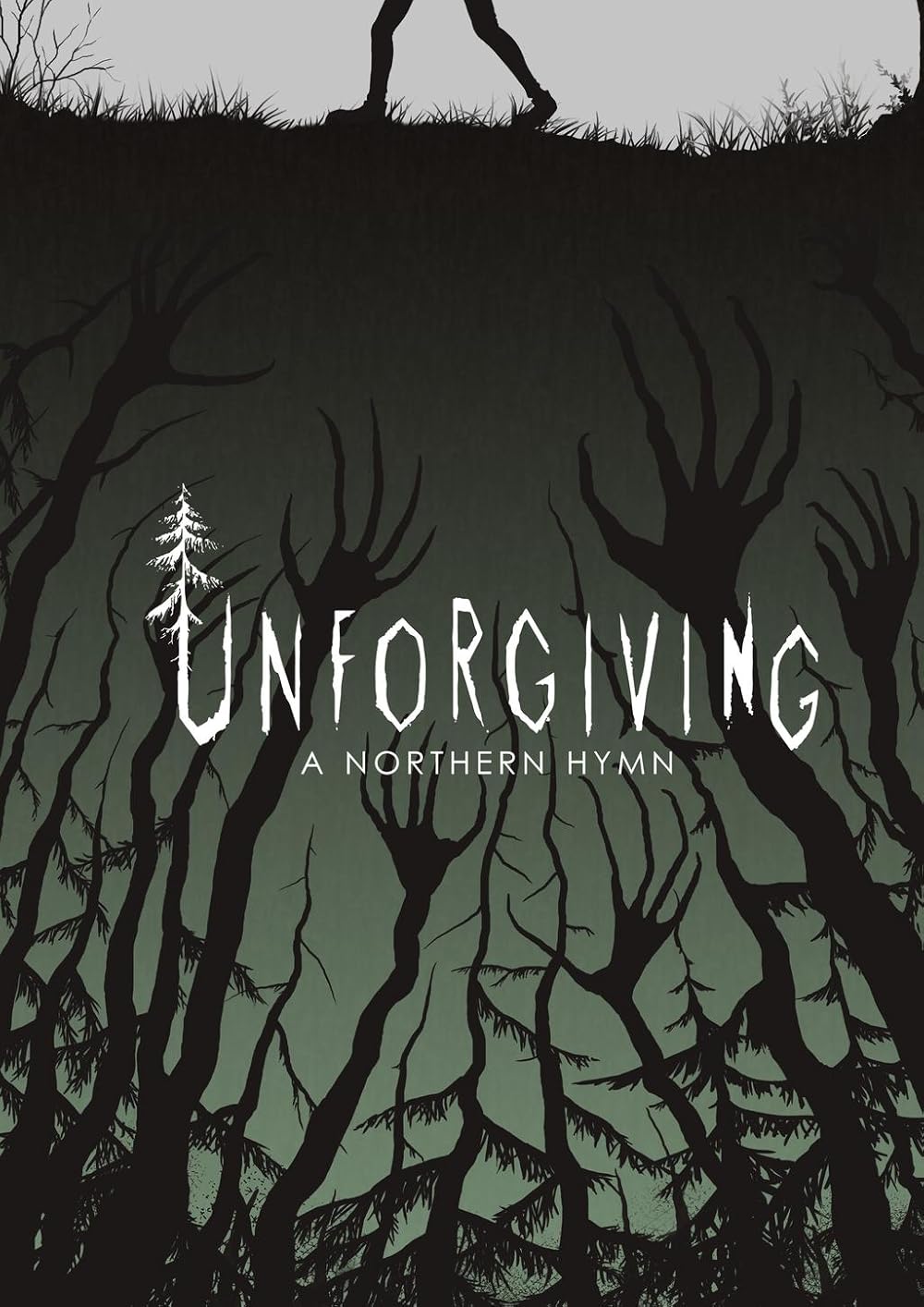
The ending wasn’t satisfying, so I’m rewriting it myself. Lukas stays. I don’t fight back. Why would I? The game taught me enough. There’s no logic in escaping only to fall back into the same pit. The developer should’ve known better and made two endings, one for those who learn and one for those who don’t.
And if I can’t have that choice, then in the next game life I’d rather sacrifice myself and let Lukas live. He deserves it more.
Unforgiving is the kind of game that lingers. It doesn’t scare you with noise. It just stays quiet and waits until you realise you’re still inside it. Sometimes survival isn’t about running. It’s about knowing when to stop.

Labels: Game, motivation, spooky, Windows and Softwares